Vinyl Patio Cover Costs In The Phoenix Valley 2026
Written by Craig B

Vinyl Patio Cover Costs In The Phoenix Valley 2026

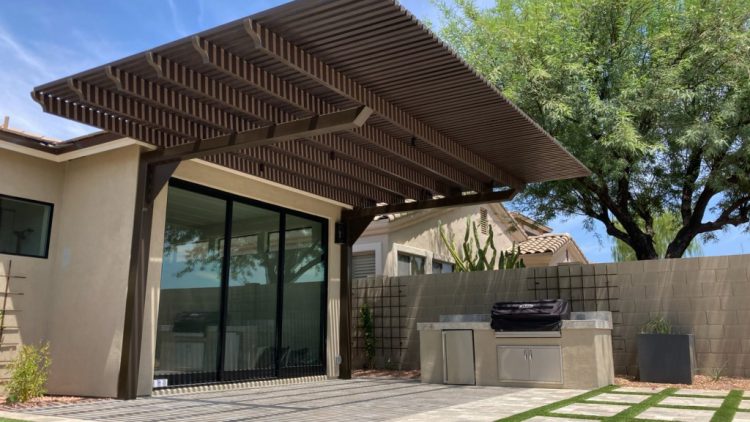
If you reside in the Phoenix Valley, you already know how hot the sun can be. A vinyl patio cover that is skillfully made is more than simply a decorative boost. It keeps you safe, makes you comfortable, and lets you really enjoy your backyard for more than a few months each year. More homes in the Valley are selecting vinyl in 2026 because it looks clean and doesn’t need much care. So how much should you expect to pay?

This year, here is a fair breakdown of the pricing of vinyl patio covers in the Phoenix Valley.

Cost of a Vinyl Patio Cover on Average in 2026

In 2026, most homes in the Phoenix Valley will spend between nine thousand and sixteen thousand dollars on a conventional connected vinyl patio cover that is around ten by twenty feet.

Smaller patio covers may cost around $7,000, while bigger bespoke designs with more amenities can cost more than $18,000. The ultimate price will depend on the design, size, site circumstances, and any other features.

Material prices have stayed the same compared to past years, but there is still a lot of demand for workers in the Phoenix area. There is a lot of demand for skilled installation teams, which influences the entire cost of the project.

What Affects The Final Price

Size and Shape

Square footage is the most evident thing. A flat roof vinyl cover will cost less than a solid roof system with full insulation. Lattice coverings that let in some light are usually cheaper than solid panel covers that block all light.

The style of the roof also matters. A basic connected cover is generally cheaper than a freestanding structure or a cover that needs complicated roof tie-ins.

Roof Panels with Insulation

Insulated roof panels are a common addition in Phoenix because of the heat. These panels assist keep your patio much cooler by reducing the flow of radiant heat. Adding insulation costs more up front, but many homeowners think the extra comfort is worth it, especially in the hottest months of summer.

Electrical Additions

Adding ceiling fans, recessed lighting, and outdoor outlets can cost you more money. To do electrical work legally, you need the right licenses and a licensed installer, which costs more in labor and materials. But these qualities make it much easier to use on warm evenings and at parties.

Requirements for Permits and HOAs

A lot of localities in the Phoenix Valley need permits for patio coverings. Fees for permits vary from one city to the next. If you reside in a neighborhood with a HOA, getting clearance for your design may also affect the colors, materials, and general structure.

The Valley’s Love for Vinyl

Vinyl patio covers are great for arid areas since they don’t fade, break, or peel. Vinyl doesn’t need to be stained or painted as wood does. It doesn’t need much care and can handle being in the sun and during monsoon season.

Vinyl ticks a lot of boxes for busy homeowners who want a shade solution that will last without having to do any work on it.

Let’s Get Covered!

Now is an excellent time to plan your project if you want to have a vinyl patio cover in 2026. The people at JL Centerprises have the skills and understanding of the area to make and put up a patio cover that works with your property and your budget.

Call JLC Enterprises now for a free estimate and start making your outside area cooler and more comfortable.
10x20 Patio Cover Costs 2026 In The Phoenix Valley
Written by Craig B

10×20 Patio Cover Costs 2026 In The Phoenix Valley

10x20 Patio Cover Costs 2026 In The Phoenix Valley

Putting a 10-foot by 20-foot patio cover in the Phoenix Valley is still one of the best things a homeowner can do for their house. Because the sun shines so brightly almost all year round and people are spending more time outside than ever, homeowners want to know how much things will cost before they start preparing. We talk about what elements affect your ultimate investment and what you may anticipate to pay in 2026 in this guide.

Typical Price Range

In 2026, the average cost of putting up a 10×20 patio cover in the Phoenix Valley is between $8,000 and $15,000. This wide range takes into account tile roofs, better finishing, and changes in the markets for labor and materials. A basic aluminum patio cover with posts and a roof is at the lower end of the price range. Adding things like ceiling fans, lights, or built-in shade panels will raise the total cost. Prices can change a little from city to city in the Phoenix Valley, but these numbers are a good starting point for most homes.

Choices of Materials

Aluminum

Aluminum patio covers are still the most popular choice for homeowners in Phoenix Valley. They last a long time without needing to be maintained. Most homeowners pick painted finishes in neutral hues that go well with the decor of their home. Aluminum is usually a good value, doesn’t rust, and can tolerate the sun exposure in the area without fading soon.

Wood

A lot of people appreciate the classic aesthetic of wood patio coverings. However, maintaining wood can be more expensive in the long run. This is particularly true in desert climates, where the sun, heat, and occasional monsoon rains can take a toll. Wood is still an excellent alternative for homeowners who want a distinctive look or design features, as long as it is properly treated and cared for.

Vinyl

Vinyl patio covers are a good choice if you want something that looks and costs less than wood and metal. Vinyl doesn’t need to be painted and doesn’t fade. But wood is stronger and may be customized more than this material.

Additional Features

Many homeowners pick modifications that cost more than the basic estimate of what their house is worth. Some common additions are:

Ceiling fans and lights for comfort and mood

Retractable shade screens to protect you from the sun in the afternoon

Skylights let in natural light without making the room too hot

Custom trim, posts, and paint that complement the style of your house

These improvements make your outside area more valuable and frequently make it more enjoyable and easier to sell.

Get It Covered!

A 10×20 patio cover in the Phoenix Valley in 2026 is a great way to add comfort, shade, and living space. You can plan with confidence if you know the usual price range and the main things that affect cost. JLC Enterprises can help you enjoy cooler outdoor living all year long by installing aluminum, wood, or vinyl. You may pick aluminum for low maintenance, wood for a traditional look, or vinyl for simple upkeep.

Conclusion

If you are interested in patio cover installation, contact the patio cover experts of Phoenix, Arizona at JLC Enterprises today!

JLC Offers Patio Cover Installation In Phoenix, Arizona

If your thinking about installing a patio cover in Arizona, let JLC assist! JLC offers installation of wood, alumawood, aluminum and lattice patio covers and pergolas for homeowners in Phoenix, Gilbert, Glendale, Mesa and other areas in Arizona.

Screen Door Installation Costs 2026
Written by Craig B

Screen Door Installation Costs 2026

The average cost of screen door installation in 2026 is between $200 and $750. This is contingent upon the door’s design and the difficulty of installation. The most cost-effective options are typically basic aluminum or vinyl screen doors. Conversely, the cost of ornamental or more robust varieties may at a higher price point.

The cost of installing a basic screen door ranges from $200 to $350. Installing mid-range or reinforced screen doors costs between $350 and $550, including installation. Installing retractable or bespoke screen doors costs between $500 and $750 or more including installation

Things That Affect the Cost of Installing a Screen Door

  • Standard hinged screen doors are typically the most cost-effective option. Typically, sliding patio screen doors, retractable screens, and storm-screen combo doors are more expensive due to the additional hardware required and the lengthier installation process.
  • Vinyl and aluminum doors are ubiquitous and not too expensive. Wood-framed or heavy-duty steel versions last longer and are safer, although they usually cost more up front.
  • If a frame is in need of repair or replacement there may be some additional cost, similarly if the door is of a non-standard size.

Advantages of Putting Up a Screen Door

  • Screen doors provide fresh air into your home while keeping pests and trash out. This may be quite beneficial in the spring and fall when the weather is nice.
  • Letting air flow naturally can assist minimize energy expenses by making it less necessary to use air conditioning when the weather is mild.
  • A storm door or screen door adds an extra layer of protection from the weather, sunshine, and ordinary wear and tear. This helps your primary entry door last longer.

There are many different styles and finishes available for modern screen doors, so you should have no trouble finding one that matches the outside of your home.

Repairing versus Replacing

It is occasionally possible to repair a damaged screen door rather than purchasing a new one. Repairing minor issues such as worn rollers, torn mesh, or unsecured hardware is generally not prohibitively expensive. It is generally advisable to purchase a new door if the frame is bowed, the door does not fit properly, or the structure has been damaged by corrosion.

Let’s Screen Together!

If you want to put in or replace a screen door, the folks at JLC Enterprises are here to help. You can trust us to put in your new windows, utilize high-quality materials, and give you a transparent price so you can feel good about making your home more comfortable and airy. You can receive an estimate and start making your home cooler and more comfortable by heading to jlcenterprises.com right now.

JLC Enterprises Offers Screen Door Installation in Phoenix, Arizona

If you’re thinking about installing a screen door in Arizona, let JLC Enterprises assist! JLC Enterprises offers installation of exterior, patio or sliding, or garage screen doors for homeowners in Phoenix, Gilbert, Glendale, Mesa and other areas in Arizona. Call us today at 480-967-9183.[/vc_column_text][/vc_column][/vc_row]

2026 Home Window Replacement Costs
Written by Craig B

2026 Home Window Replacement Costs

One of the best ways to make a home more comfortable, energy-efficient, and attractive from the street is to replace the windows. Homeowners are paying close attention to how much it costs to replace windows in 2026, especially since energy and material prices are always changing. Knowing what impacts prices might help you plan your project and get the most for your money.

Costs of Replacing Windows in 2026 on Average

In 2026, the average cost to replace a normal home window, including materials and expert installation, is between $450 and $1,200 per window. For high-end projects, such big bespoke windows or high-end materials, the cost might be between $1,500 and $2,500 per window.
Depending on the size of the house and the type of windows chosen, many homeowners pay between $6,000 and $15,000 to replace all the windows in their home.

Things That Affect the Cost of Replacing Windows

There are a few important things that affect the ultimate cost of replacing windows.

Size and Style of Windows

More materials and work are needed for bigger windows. Bay, bow, or picture windows are examples of specialty types that are usually more expensive than regular double-hung or sliding windows.

Materials for the Frame

Because they last a long time and don’t need any upkeep, vinyl windows are still the cheapest and most popular choice. Wood frames seem vintage, but they usually cost more and need more care. Fiberglass and composite frames are in the center. They are sturdy and last a long time.

Glass and Saving Energy

Most homes today have double-pane windows, although triple-pane glass, Low-E coatings, and gas-filled panes can make the windows more expensive at first. Over time, these improvements frequently pay for themselves by lowering heating and cooling costs.

JLC Enterprises Offers Window Replacements In Phoenix, Arizona

If you are looking for Window Replacement Services in Arizona, look no further than JLC Enterprises Inc. JLC offers Window Replacements to the entire Phoenix, Arizona Valley, including, Phoenix, Gilbert, Glendale and more.

Cost of Patio Covers in Arizona 2026
Written by Craig B

Cost of Patio Covers in Arizona 2026

One of the most popular outdoor improvements for Arizona houses is putting up a patio cover. This trend will continue to rise in 2026. During the hot summer months, bright sunlight, and seasonal monsoon storms, a patio cover gives you shade, protection, and comfort. It also makes your home’s living space bigger. Knowing how much things will cost might help you plan your project with confidence.

The Average Cost of Patio Covers in Arizona

Most residential patio cover installations in Arizona in 2026 will cost between $2,000 and $8,000. Most of the time, basic patio covers on the lower end of that range are made of plain aluminum or metal designs that can be changed very little. These are popular with homeowners who want a cheap, easy-to-care-for way to get shade.

Depending on size, materials, and extra features, bigger or more customized patio covers can cost anywhere from $3,000 to $10,000 or more. Homeowners with large patios or those who want a more architectural style should expect higher overall project expenses because they will need more materials and labor.

How Materials Affect Pricing

The type of material you choose is one of the most important things that affects the cost of a patio cover.

In Arizona, aluminum patio coverings are very widespread. They last a long time, don’t corrode or get hot, and don’t need much care. Aluminum alternatives are usually in the middle price range and are a great long-term investment.

Many homeowners like the classic, natural look of wood patio coverings. Wood, on the other hand, usually costs more up front and needs to be cared for regularly to hold up to Arizona’s harsh weather. The type of wood and finish you choose might have a big impact on the ultimate pricing.

Vinyl or composite patio covers are a good choice because they look good and last a long time. These materials last a long time and don’t need much upkeep, but they may cost more up front than regular metal options.

Size, Design, and Features

Most of the time, patio covers are priced by square footage, so bigger patios cost more. Another factor is how complicated the design is. Flat-roof covers are usually the cheapest, whereas pitched or lattice-style covers tend to cost more.

Extra features like insulated panels, built-in lighting, ceiling fans, or ornate beams can make the building more comfortable and look better, but they will also raise the final cost. It is typically cheaper to plan these features into the initial installation than to add them later.

Permits and Installation Considerations

Most Arizona communities require permits for patio covers, especially ones that are permanently linked to the house or are bigger than a specified size. You should include the cost of permits and inspections in your budget because they are part of the total project cost. When you hire a professional to do the work, you can be confident that it will meet local construction requirements and be safe for a long time.

Let’s Throw Some Shade On It

Patio covers are still a good investment for Arizona homeowners in 2026. They provide shade, comfort, and more fun outside. You can make a patio cover that fits your lifestyle and budget while also raising the value of your property if you plan ahead and use the right materials.

Keywords: cost of patio covers Arizona 2026, patio cover installation Arizona, aluminum patio covers AZ, custom patio cover pricing, Arizona outdoor living upgrades

Call JLC Enterprises today for a free consultation and thorough estimate if you’re thinking about getting a patio cover for your house. The staff has a lot of knowledge and can help you design and build a patio cover that fits Arizona’s weather and your outdoor living demands.

What Is A Cantilever Patio Cover?
Written by Craig B

What Is A Cantilever Patio Cover?

How To Build A Freestanding Patio Cover

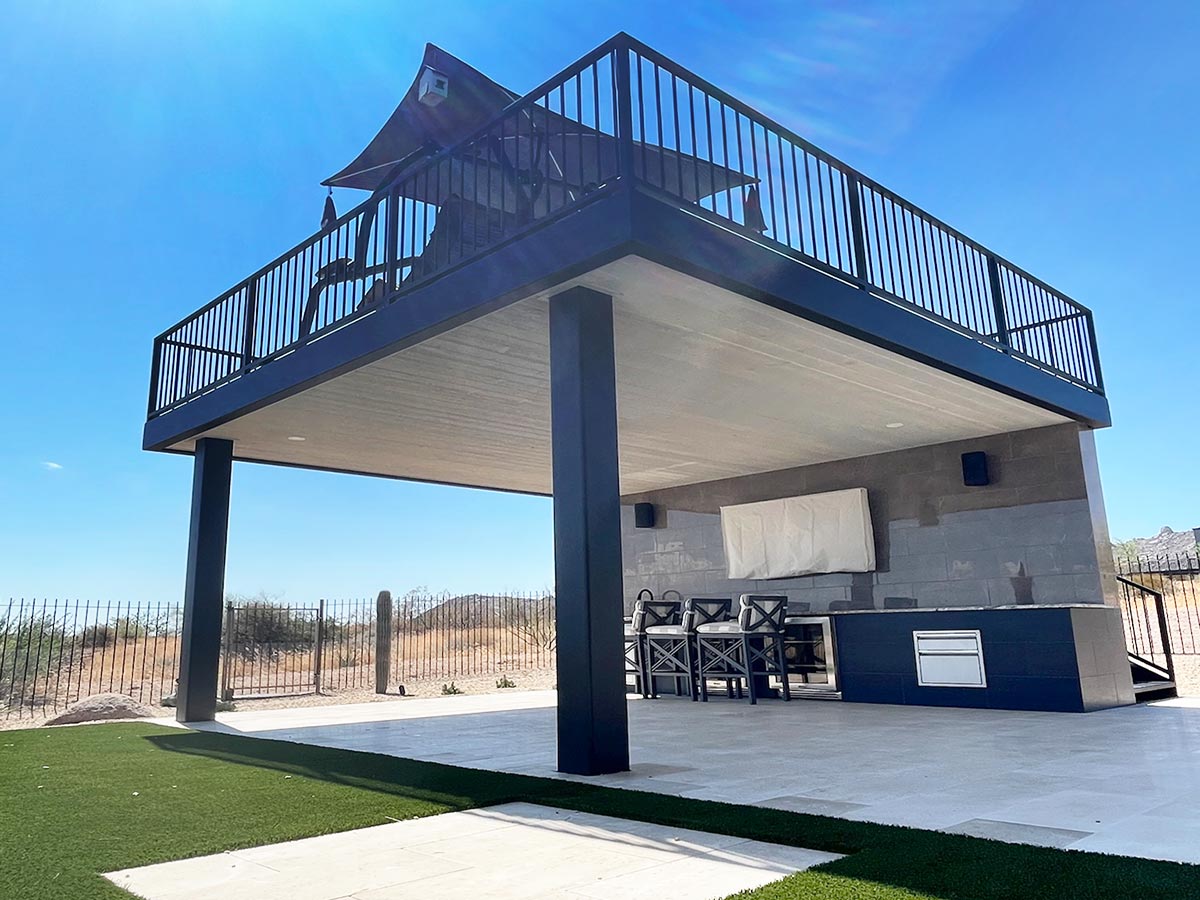
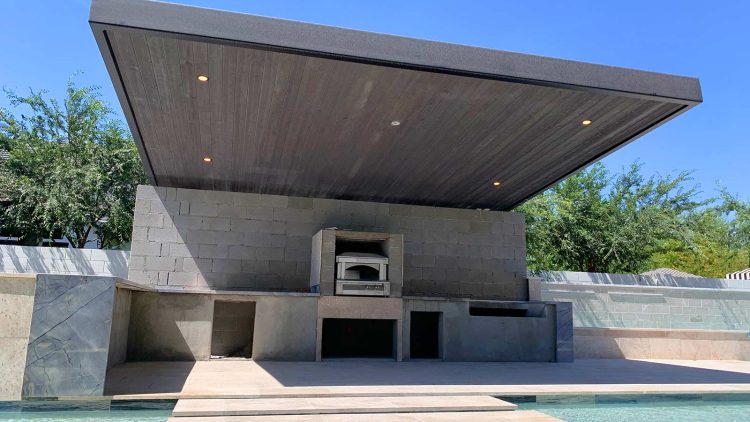
More people want to spend time outside and want their outdoor areas to look good and work well. The cantilever patio cover is one of the coolest and most useful choices. With these covers, you don’t need big posts that get in the way to get shade.

Modern outdoor living loves cantilever covers because they leave a lot of room and are made of strong materials. It also makes it easy to move around furniture and paths. They make the area cleaner and more open by reducing the number of parts that touch the ground. That is what makes them different from older styles that are heavy on posts.

More Space to Move

When you build a cantilever patio cover, you put in a strong support system off to the side. There are no posts in the middle of the space, so you have more room to move. This style works great on patios that aren’t very big or in tight areas. Things feel more open because of it.

Looks Modern

The way cantilever covers look is a big reason why people choose them. Stylish homes of today will look good with these covers because they have clean lines. The modern style goes well with both brand-new houses and older homes that have been updated. Instead of just being a useful extra, the cover becomes part of the design.

Made to be Strong

A cantilever cover is strong, even though it has fewer legs and they are spread out to the side. Because they’re made to spread weight out, they don’t need many supports. Items are usually made of metal or have been treated in a special way to be able to stand up to all kinds of weather. They are just as strong as any other kind of building when they are built right.

Simple to Keep Up

When it comes to care and maintenance, cantilever covers also get top marks. Many of them are made of aluminum or metals that have been cleaned so they don’t rust or fade. You don’t have to worry about paint chipping, wood rot, or fixing it every so often. This benefit of low upkeep is something that homeowners really value. It means you can enjoy the room more and work on it less.

Making Better Use of Space

Most of the time, traditional outdoor covers make it hard to move around or put down furniture. There is less room in a room when they have posts up. This problem can be solved by cantilever designs, which keep the supports out of the way. It also lets you make more artistic layouts and makes the yard easier to get around in.

There are many good reasons why cantilever patio covers are a better choice. The way they’re made lets more light in while still giving you the safety you need. They are different from other choices because they give you more freedom to use your space and put less restrictions on it. Cantilever covers are a long-lasting and smart investment for homes who want to improve their patios.

JLC Offers Patio Cover Installation In Phoenix, Arizona

If your thinking about installing a patio cover in Arizona, let JLC assist! JLC offers installation of wood, alumawood, aluminum and lattice patio covers and pergolas for homeowners in Phoenix, Gilbert, Glendale, Mesa and other areas in Arizona.

Pros and Cons of Lattice Patio Covers
Written by Craig B

Pros and Cons of Lattice Patio Covers

Lattice patio coverings are a popular alternative for homeowners who want to improve their outside living space. They give you a good mix of shade and sunlight, look nice, and can be made from wood, vinyl, or aluminum, among other things. But like any other home improvement, a lattice cover has pros and pitfalls that you should think about before putting it up.

If you’re building a new patio or remodeling an old one, knowing the pros and drawbacks can help you decide if a lattice patio cover is ideal for your lifestyle, climate, and long-term goals.

Lattice Patio Cover Pros

Some shade and some natural light

Lattice is great for people who desire shade but also want to let in natural light. The slats are spaced out so that filtered sunshine can get through. This keeps the patio bright and welcoming while also keeping the heat down. This is why lattice is so beneficial for gardens, pool areas, and outdoor kitchens when full coverage would make things too dark.

Better airflow

Lattice is not completely closed, so air can move freely and naturally. This helps keep heat from getting trapped and makes the area more comfortable, especially in warmer places where solid roofs can make the air more humid.

Fashionable and able to be changed

Lattice patio covers come in many different patterns, thicknesses, and materials, so they may fit with almost any kind of building. Depending on the material, they can be painted, stained, or powder-coated. They can also be made to stand alone or be used with climbing plants, lights, fans, or lattice wall panels.

Flexibility of materials

You can make lattice coverings out of wood, vinyl that doesn’t need much care, or aluminum that lasts a long time. People really like aluminum lattice systems since they last a long time, don’t fade, and can appear like wood without warping or decaying.

Less expensive than complete roofs

Lattice structures are usually cheaper than solid patio covers because they use fewer materials and need less work. They give shade and make things seem better without the cost of a fully engineered roof system.

Lattice Patio Covers Cons

Not completely waterproof

Lattice structures don’t shield you completely from rain, wind, or intense sun like solid roof covers do. A sturdy patio cover or insulated roof can be a better choice if you need a completely protected outside space.

Limited protection against UV rays

Lattice does screen some direct sunlight, but not as much as a solid building. This could shorten the life of your furniture and may not be good for people with sensitive skin.

Cleaning

If the lattice is constructed of wood, it will need to be painted or sealed every so often to keep it from rotting and wearing out. You may need to rinse or remove debris from aluminum or vinyl lattice from time to time, especially if you add plants or vines.

Not good for all kinds of weather

Lattice alone could not be strong enough or offer enough protection in places that get a lot of rain or snow. Some homeowners prefer a hybrid design that combines lattice and solid roofing to make it last all year.

Is a Lattice Cover the Right Choice for You?

A lattice patio cover is a great option if you want filtered light, good airflow, a stylish look, and a cheaper option than a full roof structure. It works well in places with moderate weather, outdoor locations where light is important, and homeowners who like a more natural, breathing look.

If you want complete shade, protection from the weather, or control over the temperature, a solid patio cover or insulated option would be better.

JLC Enterprises Offers Patio Covers In Phoenix, Arizona

If you are looking for Patio Cover installation services in Arizona, look no further than JLC Enterprises Inc. JLC offers Patio Cover Installations to the entire Phoenix, Arizona Valley, including, Phoenix, Gilbert, Glendale and more.[/vc_column_text][/vc_column][/vc_row]

Written by Craig B

AC Water Drain Ideas

Here are several effective and safe AC condensate drain ideas to handle the water your air conditioner produces, whether you’re working with a central HVAC system or a mini-split unit:

💡 Best AC Water Drain Ideas

1. Gravity Drain to the Outdoors

  • How it works: A sloped PVC or vinyl drain line moves water away from the indoor unit to the outside ground or wall vent.

  • Best for: Simple, low-maintenance setups where gravity can do the work.

  • ⚠️ Tips: Keep the line clean to prevent algae or sediment buildup.

2. Drain Into a Gravel Pit or French Drain

  • How it works: Direct the drain line into a small gravel bed, dry well, or French drain system to disperse water safely underground.

  • Best for: Avoiding puddles or foundation issues.

  • 🌧️ Ideal in: Hot, dry regions like Arizona.

3. Connect to an Irrigation or Drip Line

  • How it works: Redirect condensate to a drip system that feeds nearby shrubs, trees, or desert landscaping.

  • Eco-friendly: Free water for landscaping!

  • 🌿 Important: Only use this if no chemicals (like pan tablets or drain cleaner) are used in the system.

4. Drain Into a Sink, Utility Tub, or Floor Drain

  • How it works: Route the line to an indoor plumbing drain point.

  • Best for: Laundry rooms, garages, or mechanical closets.

  • ⚠️ Tip: Ensure it’s trapped and vented to avoid sewer gas odors.

5. Use a Condensate Pump

  • How it works: A small electric pump lifts the water to a drain if gravity draining isn’t possible.

  • Best for: Basements, attics, or installations where the drain must go upward.

  • ⚠️ Needs regular maintenance.

6. Rain Barrel or Storage Container (Temporary Use)

  • How it works: Collect water in a container for reuse (watering plants, etc.).

  • Useful in summer: ACs can produce 5–20 gallons/day.

  • ⚠️ Must be emptied regularly to avoid overflow and mosquitoes.

🔧 Materials You Might Need:

  • ¾” PVC pipe or clear vinyl tubing

  • Condensate pump (e.g., Little Giant, DiversiTech)

  • Gravel (for dry wells)

  • Check valve (if using a pump)

  • Bleach or vinegar for occasional cleaning

🧼 Maintenance Tip:

Flush your condensate line every 1–3 months with a vinegar or diluted bleach solution to prevent clogs and algae buildup—especially in Arizona’s dusty environment.

Reducing Clogs And Algae Build Up In Condensate Lines

Keeping your AC condensate drain line clear of clogs and algae is crucial—especially in Arizona’s dusty, hot climate where moisture + dust = the perfect mold/algae trap. Here’s a comprehensive guide to reducing clogs and algae buildup in your condensate line:

🧼 How to Prevent Clogs and Algae in Condensate Lines

✅ 1. Flush the Line Regularly

  • Frequency: Every 1–3 months

  • Solution:

    • White vinegar: Pour 1 cup slowly into the line (through the access tee near the air handler)

    • Alternative: Mix 1 part bleach to 3 parts water (use bleach sparingly to avoid damage to PVC over time)

  • Why: Kills algae, mold spores, and breaks down early buildup

✅ 2. Install an Algaecide Drain Pan Tablet

  • Drop one in the condensate pan (not directly into the pipe)

  • Brands: Nu-Calgon, RectorSeal Pan-Treat

  • Effect: Inhibits algae, slime, and musty odors for up to 30 days

  • ⚠️ If draining to landscape, use plant-safe products only

✅ 3. Use a Condensate Line Trap with Cleanout Access

  • A U-shaped PVC trap with a threaded cap gives you an easy way to inspect and flush the line

  • Keeps sewer gases from backing up while giving you access for maintenance

✅ 4. Install a Condensate Line Sensor

  • Function: Shuts off your AC if a clog is detected to prevent overflow

  • Brands: Safe-T-Switch, AquaGuard

  • ⚠️ Especially important for systems in attics or upper floors

✅ 5. Blow Out the Line With Air

  • Use compressed air or a shop vac on the outdoor end of the line

  • Quick way to dislodge clogs and standing water

  • Do this every spring before AC season

🔧 Bonus Tips

Tip Benefit
Use clear PVC or tubing Easy visual check for buildup
Keep the area around your air handler clean Reduces dust entering pan/line
Ensure proper slope in drain line (¼” per foot) Prevents standing water in line

Here’s a step-by-step checklist to help you prevent clogs and algae buildup in your AC condensate drain line. This is perfect for homeowners in hot, dusty places like Arizona, where this kind of maintenance can save you from leaks and costly repairs.

AC Condensate Drain Line Maintenance Checklist

🗓️ Frequency: Every 1–3 Months (More in summer)

1. Turn Off Your HVAC System

  • 🔌 Turn off the thermostat and flip the breaker if needed.

  • ✅ Safety first—especially before opening the unit or using liquids.

2. Locate the Condensate Drain Line Access

  • 📍 Usually a small PVC pipe near the indoor air handler, often with a screw cap or tee.

  • Tip: Your line may run to the outside wall near your AC unit or to a sink/floor drain.

3. Flush With Vinegar (or Bleach Water)

  • 🧼 Pour in 1 cup of white vinegar (or 1:3 bleach-to-water mix) slowly into the access port.

  • Wait 30 minutes before restarting your system.

  • 🛑 Don’t use bleach too often if the pipe is old or connected to a septic system.

4. Rinse with Water (Optional)

  • Follow up with 1 cup of water to help flush everything down the line.

  • Use a funnel or turkey baster for cleaner application.

5. Inspect the Outdoor Drain Line

  • 🚶 Walk to the end of the line (usually near the outdoor AC unit).

  • ✅ Ensure water is dripping when the AC runs—this confirms the line is flowing.

6. Blow Out the Line (Optional, Seasonal)

  • Use:

    • A shop vac (connect to outside drain pipe and run for 2–3 minutes), or

    • A compressed air canister or CO2 line-blower tool

  • 💨 This removes sludge or algae that’s stuck further in the line.

7. Drop in an Algae Pan Tablet

  • Place an algaecide tablet in the drain pan inside your air handler (never in the pipe).

  • Prevents growth of mold, algae, and odors.

  • Replace monthly during summer.

8. Reassemble and Restart Your System

  • Re-secure caps or access tees.

  • Turn the HVAC system back on and monitor it for proper drainage.

📌 Optional Upgrades

  • 🔧 Install a float switch or Safe-T-Switch to shut off your system if water backs up.

  • 🧊 Add a clear trap or inline cleanout for easier flushing next time.

JLC Offers Landscape Drainage Solutions In Phoenix, Arizona

If you have noticed that some areas of your lawn are more wet than others or your soil moves around a lot, then you may have drainage issues on your property. Thankfully, the experienced team at JLC Enterprises can help! We can install all sorts of drainage systems for residential and commercial properties across the entire Phoenix Valley, including Phoenix, Mesa, Tempe, Gilbert, Glendale, Arizona, and more! Receive a free in-home estimate by giving JLC a call today at 480-967-9183.

[/vc_column_text][/vc_column][/vc_row]

Why Choose Aluminum 4K Pergolas
Written by Craig B

Why JLC Enterprises Are Great For Pergolas

Why Choose Aluminum 4K Pergolas

Here’s why JLC Enterprises is a standout choice for installing pergolas in Arizona, especially around the Phoenix East Valley area:

✅ Why JLC Enterprises Excels for Pergolas

🛠 Over 30 Years of Local Experience

Family-owned since 1988, JLC Enterprises has specialized in patio covers, ramadas, and pergolas in Phoenix, Gilbert, Tempe, Chandler, Mesa, Scottsdale, and surrounding communities for more than three decades. Their long history and local knowledge translate into reliable workmanship that’s tailored to Arizona’s climate. Reddit+15JLC Enterprises+15Birdeye Experience Marketing platform+15JLC Enterprises+1JLC Enterprises+1

🔩 High-Quality Aluminum & Alumawood Options

They offer a variety of pergola materials, including powder-coated aluminum (4K series), steel, alumawood (wood-look aluminum), and traditional wood. Their promo highlights strength against weather, low maintenance, and modern aesthetic flexibility. JLC EnterprisesJLC Enterprises

🎨 Custom Design & Build Capabilities

JLC handles everything from gable or flat designs to elaborate 4K louver systems, cantilevered structures, Soleil panels, and interchangeable posts/beams. They incorporate your needs—like lighting, fans, and electrical wiring—into the design. JLC Enterprises

💬 Outstanding Client Feedback

  • On Houzz, JLC holds a 5-star average on 18 reviews: praised for professionalism, communication, fast installation, and excellent workmanship. JLC Enterprises+4Houzz+4Reddit+4

  • Their own testimonial page notes customers appreciating detailed planning, clean installations, and final products that meet expectations—often with follow-up improvements when needed, such as replacing a warped beam. JLC Enterprises

🏆 Accredited & Trustworthy

  • JLC is accredited by the BBB with an A+ rating, reflecting their legitimacy and commitment to business ethics in the remodeling industry. Better Business Bureau

📊 Summary of Benefits

Strength Benefit to You
30+ years local expertise Deep understanding of Arizona’s weather, materials, and codes
Aluminum, alumawood, steel design Durable, weather-resistant options with wood-like appearance
Customizable pergola systems Designed around your space, lighting, shade, and structural needs
Strong client satisfaction Reliable communication, high-quality work, and responsive follow-up
Accredited reputation A+ BBB rating and a trusted local brand for lasting value

🛠 Real-Life Example

One customer noted during an installation that some beams warped in the summer sun—and JLC came back promptly to replace them, honouring their quality commitment without fuss. Reddit+13JLC Enterprises+13Houzz+13Houzz+3JLC Enterprises+3JLC Enterprises+3JLC Enterprises+8Reddit+8Reddit+8Better Business Bureau

✅ Final Thoughts

If you’re looking for a pergola contractor in the Phoenix East Valley:

  • JLC offers expertise built over decades

  • A full range of weather-resistant, elegant material options

  • Custom design solutions that align with your functional and aesthetic goals

  • And highly-rated, customer-first service that ensures satisfaction

JLC Offers Pergola Installation In Phoenix, Arizona

If your thinking about installing a patio cover in Arizona, let JLC assist! JLC offers installation of wood, alumawood, aluminum and lattice patio covers and pergolas for homeowners in Phoenix, Gilbert, Glendale, Mesa and other areas in Arizona.

Why Choose Aluminum 4K Pergolas
Written by Craig B

What Is A Pergola?

Why Choose Aluminum 4K Pergolas

A pergola is an outdoor structure made with vertical posts and crossbeams—like an open-roofed frame—that provides partial shade and defines a sitting or walking area in your yard or patio.

🌿 Pergola Basics

🧱 Structure

  • Posts (Columns): Usually 4, supporting the roof

  • Beams & Rafters: Create an open “roof” with slats

  • No solid roof (unlike a patio cover)

🌤️ Purpose

  • Provides filtered sunlight (not full shade or rain cover)

  • Creates a cozy, architectural feature for patios, gardens, or walkways

  • Great for growing climbing plants like wisteria, grapes, or vines

🔨 Pergola Materials

Material Pros Lifespan
Wood Natural look, customizable 10–20 years (with upkeep)
Vinyl Low maintenance, clean style 20–30 years
Aluminum Durable, rust-resistant 30+ years
Steel Ultra-strong, modern look 40–50+ years

🏠 Pergola vs. Patio Cover – What’s the Difference?

Feature Pergola Patio Cover
Roof Open (slatted) Solid or partially solid
Shade/Rain Cover Partial shade, no rain block Full shade + rain protection
Style Decorative, garden-y Practical, more protective
Function Defines a space, supports plants Extends indoor comfort outdoors

💡 Extras You Can Add

  • String lights

  • Shade cloth or retractable canopy

  • Climbing plants

  • Curtains for privacy or wind

Does A Pergola Add Value To Your Home?

A pergola can absolutely add value to your home, both in terms of financial resale value and lifestyle appeal. Here’s how it breaks down:

🏡 How a Pergola Adds Value

💰 1. Boosts Curb Appeal

  • Pergolas add visual interest and architectural charm

  • They make outdoor spaces feel more finished and functional

  • Buyers love “extra living space” that feels move-in ready

📈 2. Potential ROI (Return on Investment)

  • A well-built pergola can recoup 50% to 80% of its cost at resale

  • Can increase overall property value by up to 5–10% depending on location, quality, and market trends

  • Higher ROI in warmer climates where outdoor living is a big deal (hello, Arizona ☀️)

🌿 3. Extends Living Space

  • Turns a patio or deck into a defined outdoor room

  • Makes a home feel larger and more versatile, especially when styled with furniture, lighting, or plants

🌟 4. Attracts Buyers

  • Outdoor spaces are highly desirable post-2020

  • A pergola creates a cozy, shaded area that buyers can instantly picture themselves using

📌 Tips to Maximize Value

  • Build with quality materials (aluminum or treated wood = best longevity)

  • Make sure it’s permitted and well-installed

  • Add extras like a retractable canopy, lighting, or outdoor fans

  • Keep the style cohesive with your home’s architecture

🧮 Example:

Say you spend $4,000–$8,000 on a pergola — a well-designed one could increase your home’s value by $5,000–$10,000, depending on your market and neighborhood.

JLC Offers Pergola Installation In Phoenix, Arizona

If your thinking about installing a patio cover in Arizona, let JLC assist! JLC offers installation of wood, alumawood, aluminum and lattice patio covers and pergolas for homeowners in Phoenix, Gilbert, Glendale, Mesa and other areas in Arizona.

1 2 3