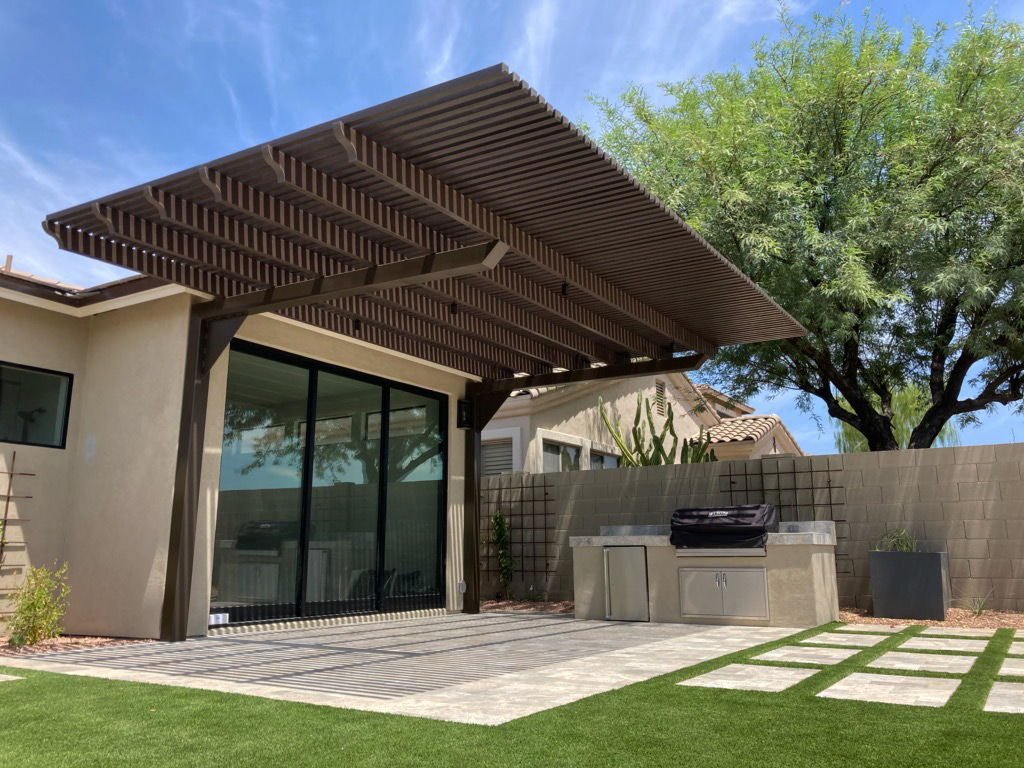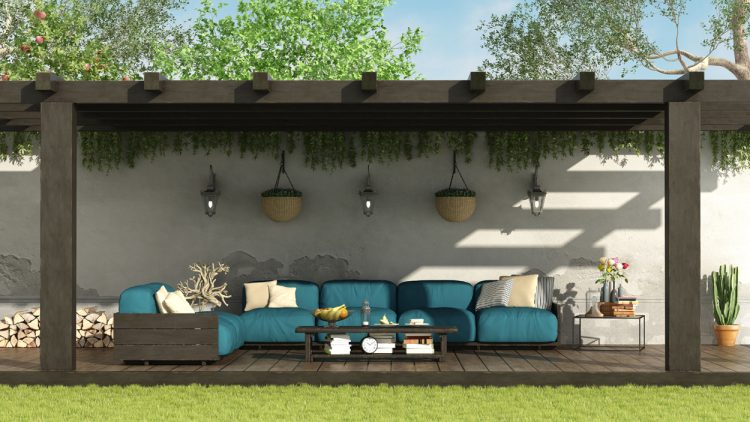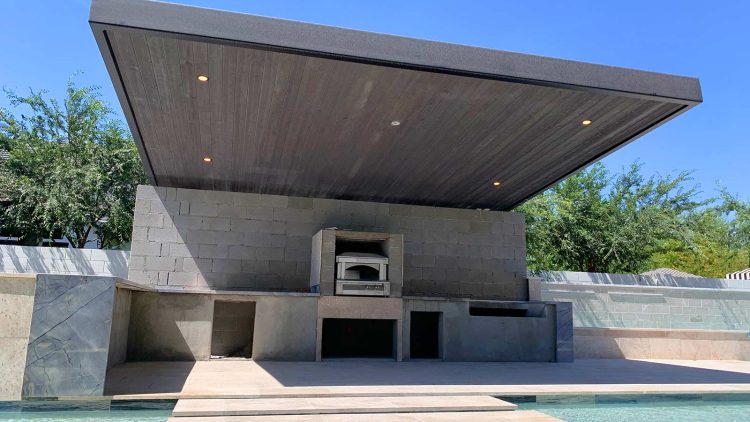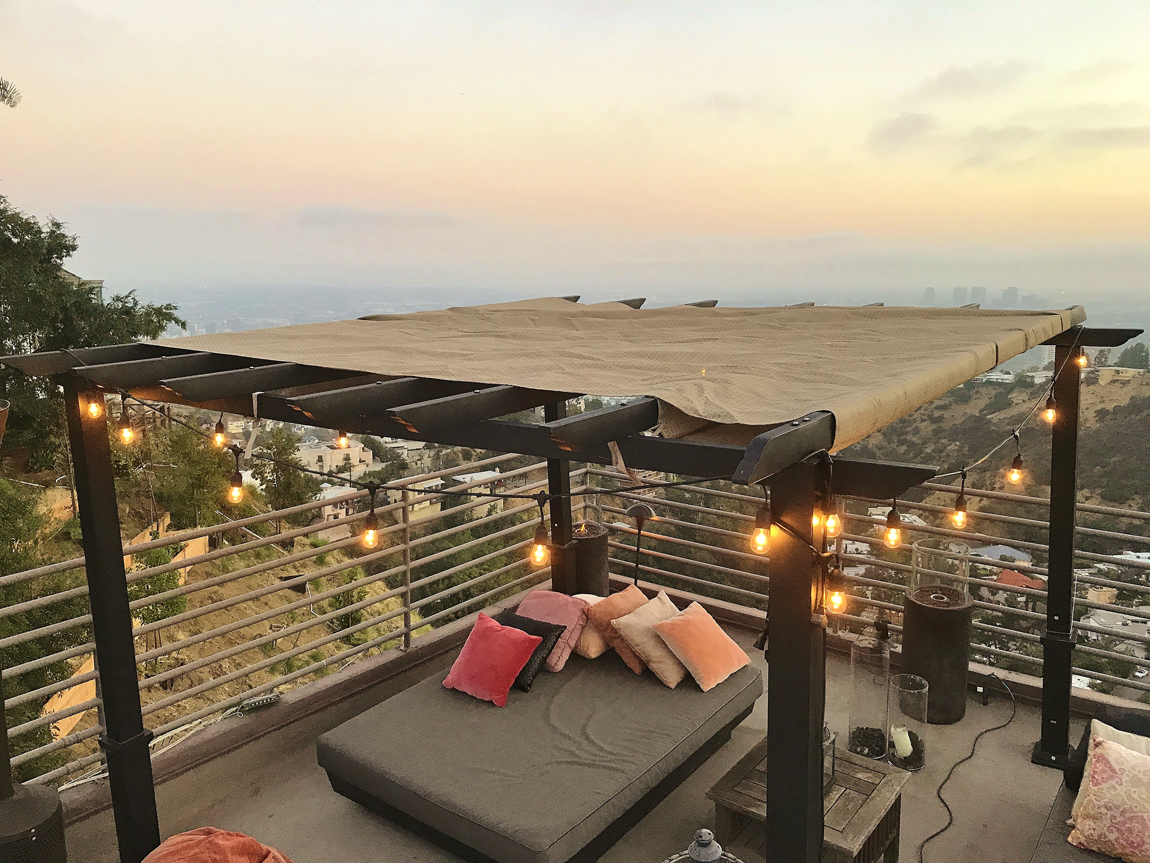
Cost of Patio Covers in Arizona 2026
Written by Craig B

Cost of Patio Covers in Arizona 2026

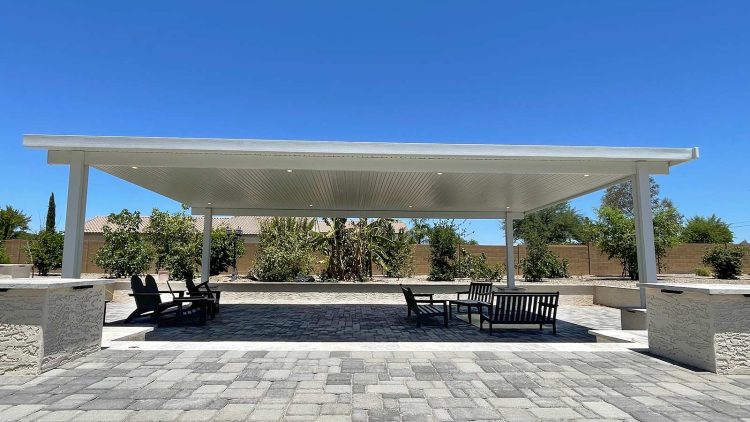
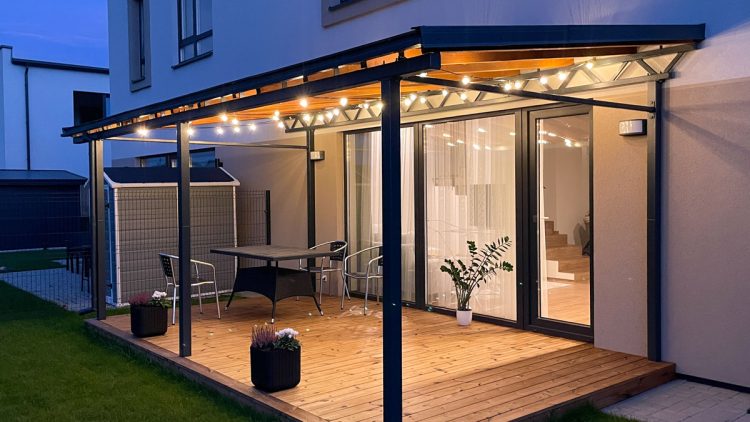
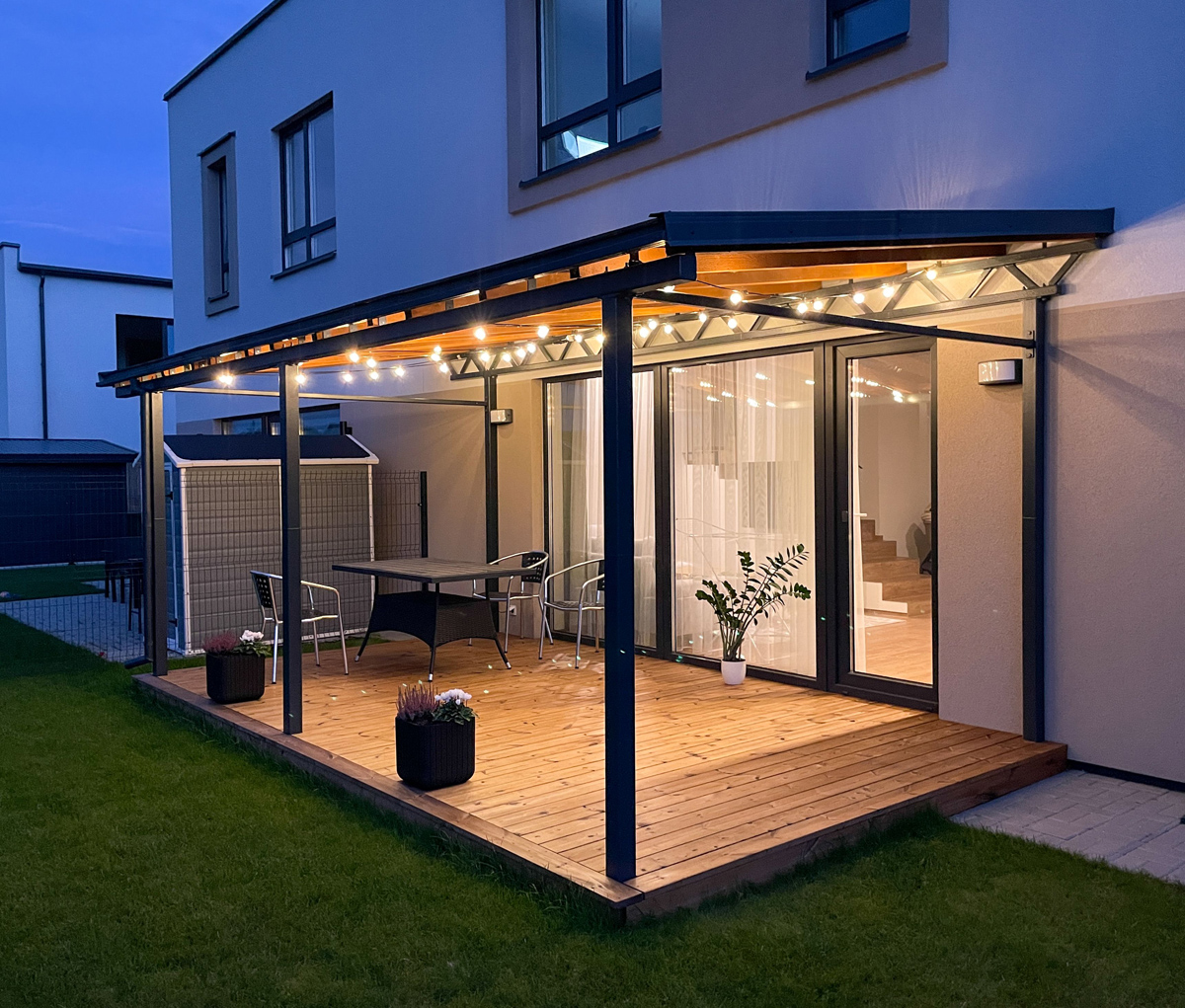
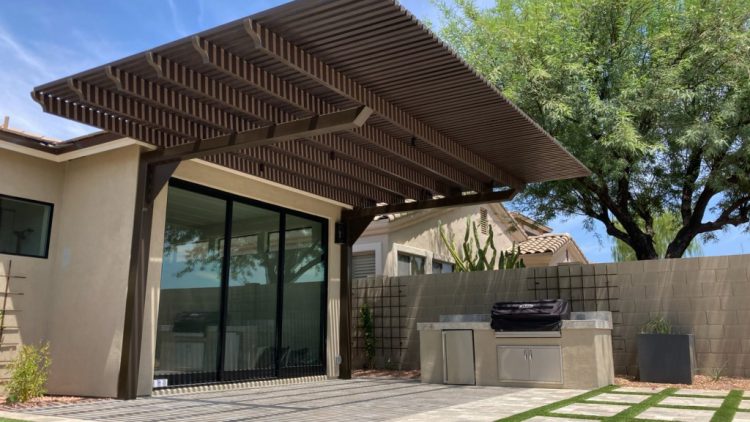
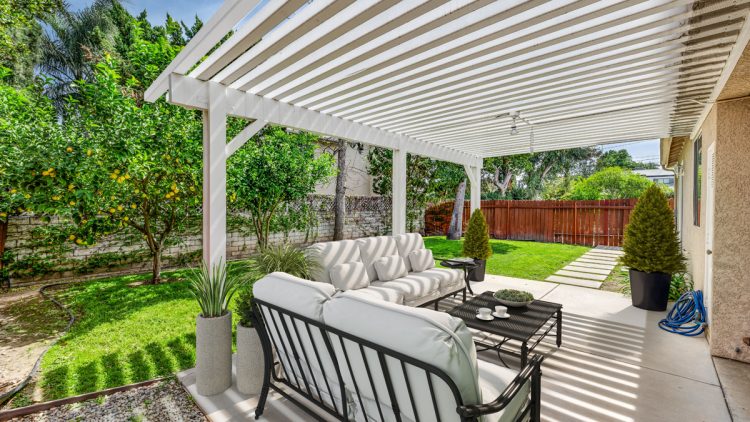
One of the most popular outdoor improvements for Arizona houses is putting up a patio cover. This trend will continue to rise in 2026. During the hot summer months, bright sunlight, and seasonal monsoon storms, a patio cover gives you shade, protection, and comfort. It also makes your home’s living space bigger. Knowing how much things will cost might help you plan your project with confidence.

The Average Cost of Patio Covers in Arizona

Most residential patio cover installations in Arizona in 2026 will cost between $2,000 and $8,000. Most of the time, basic patio covers on the lower end of that range are made of plain aluminum or metal designs that can be changed very little. These are popular with homeowners who want a cheap, easy-to-care-for way to get shade.

Depending on size, materials, and extra features, bigger or more customized patio covers can cost anywhere from $3,000 to $10,000 or more. Homeowners with large patios or those who want a more architectural style should expect higher overall project expenses because they will need more materials and labor.

How Materials Affect Pricing

The type of material you choose is one of the most important things that affects the cost of a patio cover.

In Arizona, aluminum patio coverings are very widespread. They last a long time, don’t corrode or get hot, and don’t need much care. Aluminum alternatives are usually in the middle price range and are a great long-term investment.

Many homeowners like the classic, natural look of wood patio coverings. Wood, on the other hand, usually costs more up front and needs to be cared for regularly to hold up to Arizona’s harsh weather. The type of wood and finish you choose might have a big impact on the ultimate pricing.

Vinyl or composite patio covers are a good choice because they look good and last a long time. These materials last a long time and don’t need much upkeep, but they may cost more up front than regular metal options.

Size, Design, and Features

Most of the time, patio covers are priced by square footage, so bigger patios cost more. Another factor is how complicated the design is. Flat-roof covers are usually the cheapest, whereas pitched or lattice-style covers tend to cost more.

Extra features like insulated panels, built-in lighting, ceiling fans, or ornate beams can make the building more comfortable and look better, but they will also raise the final cost. It is typically cheaper to plan these features into the initial installation than to add them later.

Permits and Installation Considerations

Most Arizona communities require permits for patio covers, especially ones that are permanently linked to the house or are bigger than a specified size. You should include the cost of permits and inspections in your budget because they are part of the total project cost. When you hire a professional to do the work, you can be confident that it will meet local construction requirements and be safe for a long time.

Let’s Throw Some Shade On It

Patio covers are still a good investment for Arizona homeowners in 2026. They provide shade, comfort, and more fun outside. You can make a patio cover that fits your lifestyle and budget while also raising the value of your property if you plan ahead and use the right materials.

Keywords: cost of patio covers Arizona 2026, patio cover installation Arizona, aluminum patio covers AZ, custom patio cover pricing, Arizona outdoor living upgrades

Call JLC Enterprises today for a free consultation and thorough estimate if you’re thinking about getting a patio cover for your house. The staff has a lot of knowledge and can help you design and build a patio cover that fits Arizona’s weather and your outdoor living demands.

What Is A Cantilever Patio Cover?
Written by Craig B

What Is A Cantilever Patio Cover?

How To Build A Freestanding Patio Cover

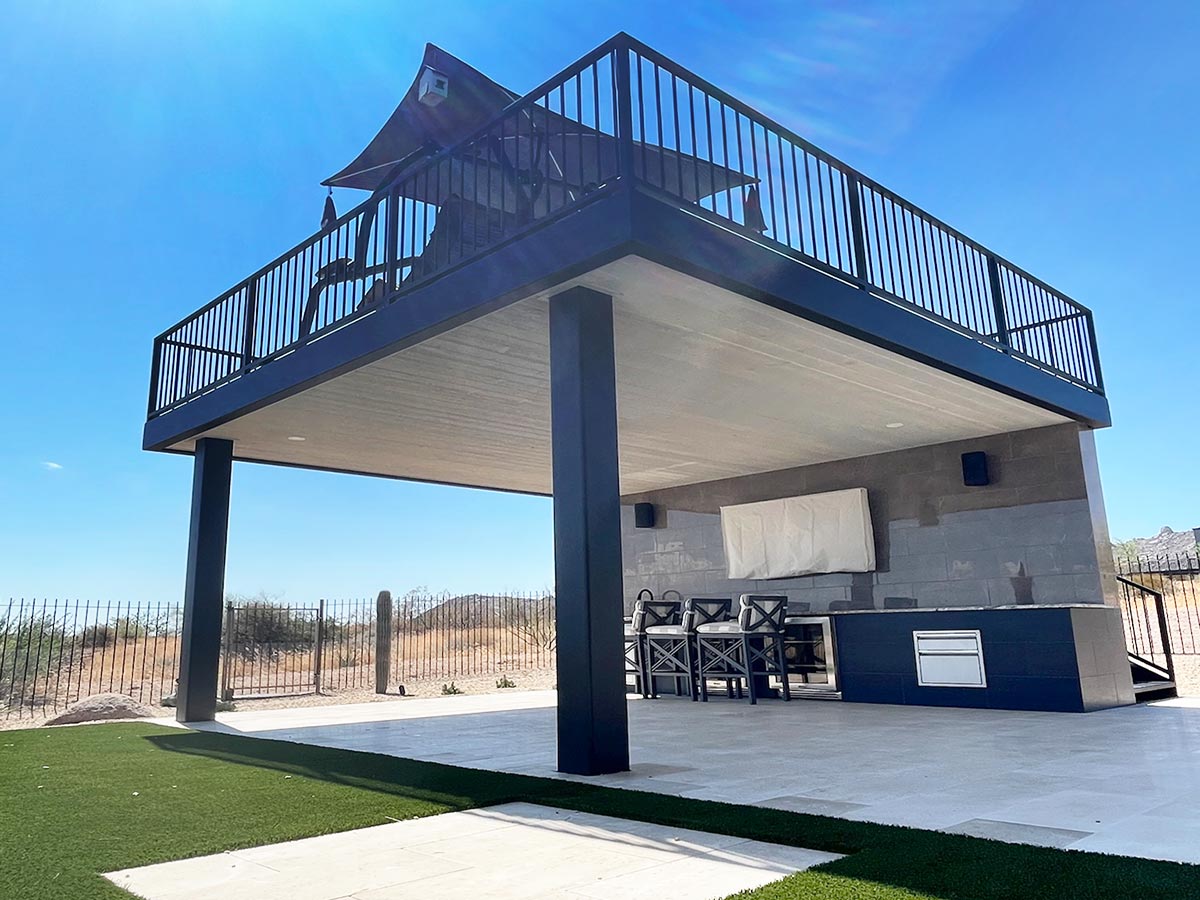
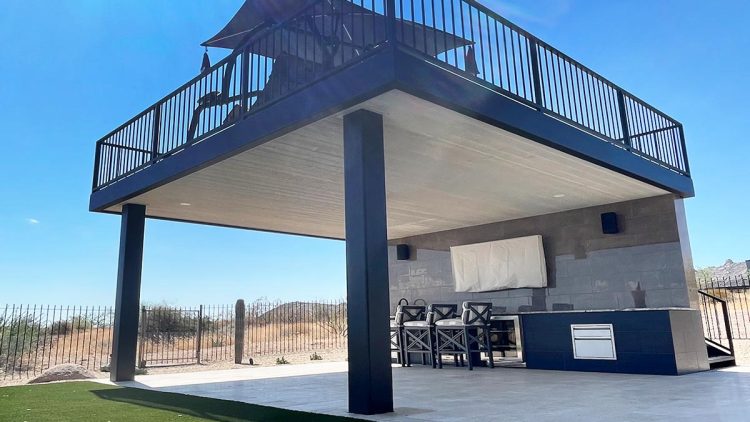
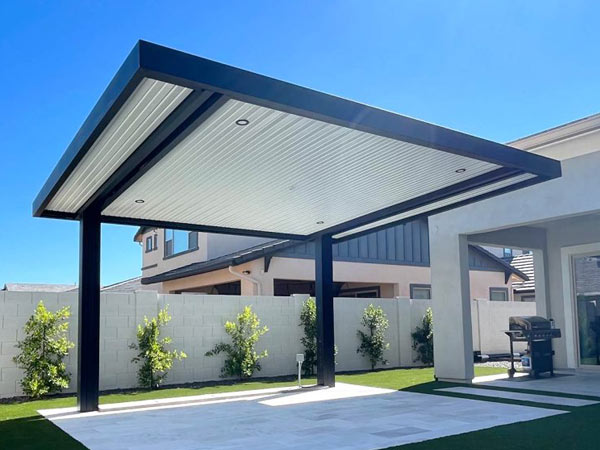
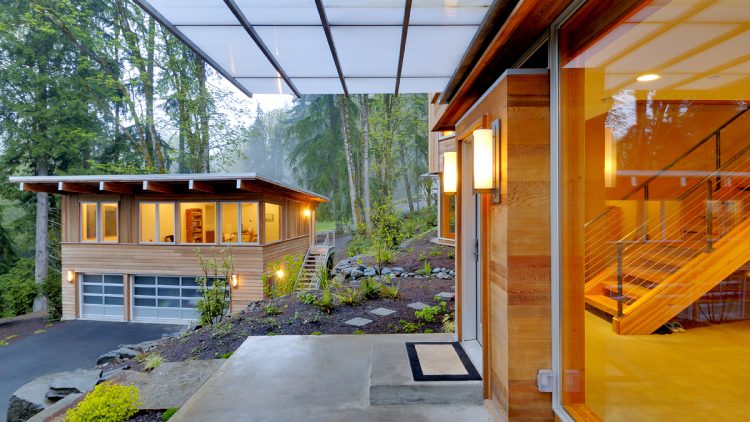
More people want to spend time outside and want their outdoor areas to look good and work well. The cantilever patio cover is one of the coolest and most useful choices. With these covers, you don’t need big posts that get in the way to get shade.

Modern outdoor living loves cantilever covers because they leave a lot of room and are made of strong materials. It also makes it easy to move around furniture and paths. They make the area cleaner and more open by reducing the number of parts that touch the ground. That is what makes them different from older styles that are heavy on posts.

More Space to Move

When you build a cantilever patio cover, you put in a strong support system off to the side. There are no posts in the middle of the space, so you have more room to move. This style works great on patios that aren’t very big or in tight areas. Things feel more open because of it.

Looks Modern

The way cantilever covers look is a big reason why people choose them. Stylish homes of today will look good with these covers because they have clean lines. The modern style goes well with both brand-new houses and older homes that have been updated. Instead of just being a useful extra, the cover becomes part of the design.

Made to be Strong

A cantilever cover is strong, even though it has fewer legs and they are spread out to the side. Because they’re made to spread weight out, they don’t need many supports. Items are usually made of metal or have been treated in a special way to be able to stand up to all kinds of weather. They are just as strong as any other kind of building when they are built right.

Simple to Keep Up

When it comes to care and maintenance, cantilever covers also get top marks. Many of them are made of aluminum or metals that have been cleaned so they don’t rust or fade. You don’t have to worry about paint chipping, wood rot, or fixing it every so often. This benefit of low upkeep is something that homeowners really value. It means you can enjoy the room more and work on it less.

Making Better Use of Space

Most of the time, traditional outdoor covers make it hard to move around or put down furniture. There is less room in a room when they have posts up. This problem can be solved by cantilever designs, which keep the supports out of the way. It also lets you make more artistic layouts and makes the yard easier to get around in.

There are many good reasons why cantilever patio covers are a better choice. The way they’re made lets more light in while still giving you the safety you need. They are different from other choices because they give you more freedom to use your space and put less restrictions on it. Cantilever covers are a long-lasting and smart investment for homes who want to improve their patios.

JLC Offers Patio Cover Installation In Phoenix, Arizona

If your thinking about installing a patio cover in Arizona, let JLC assist! JLC offers installation of wood, alumawood, aluminum and lattice patio covers and pergolas for homeowners in Phoenix, Gilbert, Glendale, Mesa and other areas in Arizona.
Pros and Cons of Lattice Patio Covers
Written by Craig B

Pros and Cons of Lattice Patio Covers

Lattice patio coverings are a popular alternative for homeowners who want to improve their outside living space. They give you a good mix of shade and sunlight, look nice, and can be made from wood, vinyl, or aluminum, among other things. But like any other home improvement, a lattice cover has pros and pitfalls that you should think about before putting it up.

If you’re building a new patio or remodeling an old one, knowing the pros and drawbacks can help you decide if a lattice patio cover is ideal for your lifestyle, climate, and long-term goals.

Lattice Patio Cover Pros

Some shade and some natural light

Lattice is great for people who desire shade but also want to let in natural light. The slats are spaced out so that filtered sunshine can get through. This keeps the patio bright and welcoming while also keeping the heat down. This is why lattice is so beneficial for gardens, pool areas, and outdoor kitchens when full coverage would make things too dark.

Better airflow

Lattice is not completely closed, so air can move freely and naturally. This helps keep heat from getting trapped and makes the area more comfortable, especially in warmer places where solid roofs can make the air more humid.

Fashionable and able to be changed

Lattice patio covers come in many different patterns, thicknesses, and materials, so they may fit with almost any kind of building. Depending on the material, they can be painted, stained, or powder-coated. They can also be made to stand alone or be used with climbing plants, lights, fans, or lattice wall panels.

Flexibility of materials

You can make lattice coverings out of wood, vinyl that doesn’t need much care, or aluminum that lasts a long time. People really like aluminum lattice systems since they last a long time, don’t fade, and can appear like wood without warping or decaying.

Less expensive than complete roofs

Lattice structures are usually cheaper than solid patio covers because they use fewer materials and need less work. They give shade and make things seem better without the cost of a fully engineered roof system.

Lattice Patio Covers Cons

Not completely waterproof

Lattice structures don’t shield you completely from rain, wind, or intense sun like solid roof covers do. A sturdy patio cover or insulated roof can be a better choice if you need a completely protected outside space.

Limited protection against UV rays

Lattice does screen some direct sunlight, but not as much as a solid building. This could shorten the life of your furniture and may not be good for people with sensitive skin.

Cleaning

If the lattice is constructed of wood, it will need to be painted or sealed every so often to keep it from rotting and wearing out. You may need to rinse or remove debris from aluminum or vinyl lattice from time to time, especially if you add plants or vines.

Not good for all kinds of weather

Lattice alone could not be strong enough or offer enough protection in places that get a lot of rain or snow. Some homeowners prefer a hybrid design that combines lattice and solid roofing to make it last all year.

Is a Lattice Cover the Right Choice for You?

A lattice patio cover is a great option if you want filtered light, good airflow, a stylish look, and a cheaper option than a full roof structure. It works well in places with moderate weather, outdoor locations where light is important, and homeowners who like a more natural, breathing look.

If you want complete shade, protection from the weather, or control over the temperature, a solid patio cover or insulated option would be better.

JLC Enterprises Offers Patio Covers In Phoenix, Arizona

If you are looking for Patio Cover installation services in Arizona, look no further than JLC Enterprises Inc. JLC offers Patio Cover Installations to the entire Phoenix, Arizona Valley, including, Phoenix, Gilbert, Glendale and more.[/vc_column_text][/vc_column][/vc_row]

Wood Pergola
Written by webtechs

Wood Vs Aluminum Pergola

How Much Do Aluminum Patio Covers Cost

Pergola installations continue to rise throughout the country for both residential and commercial properties. So, which material option should you choose for your structure – wood or aluminum? Let’s look at the similarities, differences, and associated benefits of each type of material.

What To Know About Wood Pergolas

Because pergolas have been around since as early as the 1640’s, they were constructed out of wood due to necessity back then. As the years went by, these structures changed in almost every way, from material to style.

Even while still often made of wood, these pergolas are now sturdier and can be designed to be freestanding. Other pergola options can also be attached to homes and buildings.

Wood pergolas can be beautiful structures, cut and carved to each homeowner’s liking. They come in a variety of shapes and can be stained or painted in many different colors and finishes. There are several pieces of wood that can be used for the installation of these pergolas.

Wood Pergola Pros

Wood not only gives off an appearance of beauty, but it also gives one a feeling that is extremely difficult to convey.

Wood also has a variety of different types, sizes, textures, and colors to choose from, of which all make great materials for designing and styling your home.

Wood Pergola Cons

Wood will need to be sanded and repainted on a regularly basis if you want to hang on to that gorgeous appearance. In fact, since wood patio covers will be prone to peeling, warping, and rotting, it makes it challenging to extend its life.

Wood is both beautiful and versatile, but it is not always the best material for your needs. This can be true if you happen to be constructing or planning a pergola for either urban or commercial applications.

What To Know About Aluminum Pergolas

For decades aluminum patio covers have been a common option due to it being an inexpensive option. In addition, the material is versatile. This gives a combination of both materials; you get the look of wood and a lower cost than vinyl or wood.

Not only is the price an advantage, aluminum patio covers provide weather resistance from rusting, termites, cracks, and rotting. Alumawood covers are able to be customized to match your preferences and needs. They can be installed in a popular lattice cover style, a 3-inch thick high-density insulated foam roofing system, or uninsulated roof. The cost will depend on the final systems, styles and kits used.

It is fairly simple to install these types of covers, even for homeowners that enjoy DIY projects. If a kit is purchased, covers will come with required parts for the entire installation. Of course, you have to provide the tools. With help, the average expected installation time for a 10ft x 10ft aluminum lattice cover is 8 hours.

Aluminum Pergola Pros

It is very durable, has a lower cost, with only a little upkeep needed. This material surpasses the qualifications for being lightweight, but strong.

Aluminum can provide protection against the elements without for-going comfort. This kind of material is not going to peel, warp, or become rotten. It is also a material option that is less expensive.

These pergolas are coated with a fluoropolymer finish that can last for several years. This can give your structure a bright and bold finish. It’s possible to achieve a subtle, more muted finish, as well. Either way, you will not need the same level of care or reapplication compared to wood pergolas.

Aluminum Pergola Cons

Metal makes for a great heat conductor. If your patio doors that were made from aluminum panels, it could certainly make you uncomfortable when underneath it.

Another potential con is the slight learning curve that’s involved with designing and building. If you have only worked with wood previously for DIY projects, aluminum can be quite an intimidating material to work with.

Wood Vs Aluminum Pergola Costs

The majority of high-quality aluminum pergolas will start around $7,999 for installation.

Wood pergolas do cost less than aluminum pergolas, but homeowners must be aware that this material will require more maintenance needs over time.

*These are cost estimates according to LuxuryPergola. Contact the team at JLC Enterprises for more information today!

Conclusion

More and more homeowners are choosing to add pergolas to their landscape these days. There are many benefits associated with both wood and aluminum pergolas. With aluminum structures, for instance, homeowners can count on durability and low maintenance costs, overall.

Aluminum offers increased longevity and more style options. Always consider the unique benefits of both pergola styles when choosing the right structure for your outdoor area.

How Much Do Aluminum Patio Covers Cost

JLC Offers Patio Cover Installation In Phoenix, Arizona

If your thinking about installing a patio cover in Arizona, let JLC assist! JLC offers installation of wood, alumawood, aluminum and lattice patio covers and pergolas for homeowners in Phoenix, Gilbert, Glendale, Mesa and other areas in Arizona.

Vinyl Patio Cover Cost 2025
Written by Craig B

Vinyl Patio Cover Cost 2025

The cost of installing a vinyl patio cover in 2025 varies based on factors like size, design complexity, and regional labor rates. Here’s a breakdown to help you estimate potential expenses:​

💲 Average Cost of Vinyl Patio Covers (2025)

  • Per Square Foot Installed: $25 to $80
    This range depends on the design and installation complexity.​

  • Total Installed Cost: $5,000 to $16,000
    This estimate is for a standard 10′ x 20′ patio cover.

📏 Cost by Patio Size

Patio Size Square Footage Estimated Cost Range
10′ x 10′ 100 sq ft $2,500 – $8,000
10′ x 20′ 200 sq ft $5,000 – $16,000
12′ x 20′ 240 sq ft $6,000 – $19,200
20′ x 20′ 400 sq ft $10,000 – $32,000

Note: These estimates are based on the $25 to $80 per square foot range.

🛠️ Factors Influencing Cost

  • Design Complexity: Features like louvered or adjustable tops can increase costs.

  • Roof Type: Installing on tile or steep roofs may require additional labor.

  • Permits: Local building permits can add to the overall expense.

  • Customization: Unique designs or finishes may raise the price.​

🏜️ Considerations for Phoenix, AZ

In Phoenix’s hot and sunny climate, vinyl patio covers are a popular choice due to their durability and low maintenance. However, it’s essential to ensure that the materials used can withstand high temperatures and UV exposure.​

Popular Designs For Patio Covers

There are lots of great patio cover designs out there depending on your style, climate, and how much sun or shade you want. Here’s a breakdown of the most popular patio cover designs right now:

🏡 Popular Patio Cover Designs (2025)

1. Lattice (Pergola Style)

  • Open-roof design with slats or beams

  • Allows partial sunlight, perfect for climbing plants

  • Can be wood, aluminum, or vinyl

  • 💡 Great for: Style + light filtering

2. Solid Roof (Insulated or Non-Insulated)

  • Full roof cover, often with insulated panels or shingles

  • Provides complete protection from sun and rain

  • Can be matched to your house’s roofline

  • 💡 Great for: Full shade + rain protection

3. Gable Roof (Pitched/A-Frame)

  • Triangular roof for a more open, airy feel

  • Allows better air circulation and can match home’s architecture

  • More structural work, but adds elegance

  • 💡 Great for: Higher-end look + ventilation

4. Flat Roof Cover

  • Sleek, modern design with clean lines

  • Often made from aluminum, steel, or vinyl

  • Slight pitch for drainage, but looks flat from below

  • 💡 Great for: Modern homes + budget-friendly shade

5. Retractable Covers

  • Fabric awnings or louvered systems that open/close manually or with a motor

  • Allows for sun when you want it, shade when you don’t

  • Some even include rain sensors and smart tech

  • 💡 Great for: Versatility + tech-savvy setups

6. Louvered Roof (Adjustable Slats)

  • Motorized or manual slats that tilt open or shut

  • Let in sunlight or seal tight for rain protection

  • Often made from powder-coated aluminum

  • 💡 Great for: Ultimate control + year-round use

7. Solar Panel Roof

  • Dual purpose: provides shade and generates electricity

  • Often integrated into solid-roof patio covers

  • Can qualify for solar tax credits

  • 💡 Great for: Eco-conscious upgrades

🎨 Style Tips

  • Match your patio cover’s color and materials to your house trim or roof

  • Add ceiling fans, lighting, or curtains for function and flair

  • Mix wood with metal or vinyl for a hybrid aesthetic

How Long Do Patio Covers Last?

The lifespan of a patio cover depends heavily on the material, how it’s installed, and how well it’s maintained. Here’s a breakdown by material:


Average Lifespan of Patio Covers (By Material)

🟦 Vinyl Patio Covers

  • Lifespan: 20–30 years

  • Pros: Low maintenance, won’t rust or rot

  • Cons: Can become brittle in extreme heat or cold over time

🪵 Wood Patio Covers (Cedar, Redwood, Pressure-Treated)

  • Lifespan: 10–20 years

  • Pros: Classic, natural look

  • Cons: Needs regular sealing/painting to prevent rot, pests, or warping

🟫 Aluminum Patio Covers

  • Lifespan: 30–40 years

  • Pros: Rust-resistant, lightweight, durable

  • Cons: Can dent easily; plain aluminum may not match all home styles

🟨 Steel Patio Covers

  • Lifespan: 40–50+ years (with proper treatment)

  • Pros: Very strong and durable

  • Cons: Heavier; more expensive to install

🌦️ Fabric or Canvas Covers (Retractable Awnings)

  • Lifespan: 5–10 years (fabric), 15–20 years (frame)

  • Pros: Flexible use, retractable

  • Cons: Fabric fades, tears, or mildews over time

🔧 Factors That Affect Longevity

  • Climate: UV rays, humidity, snow, and wind all wear materials down

  • Maintenance: Cleaning, sealing, and checking for damage extends life

  • Installation Quality: A solid frame and proper drainage make a big difference

  • Design: Sloped roofs that shed water last longer than flat ones that pool

🏠 Quick Tip (for Arizona & Hot Climates):

  • Vinyl and aluminum are very popular because they hold up well in heat and need very little maintenance.

  • Look for UV-resistant coatings or insulated roof panels for max durability.

Small Patio Cover Cost
Written by webtechs

10×20 Patio Cover Cost

Small Patio Cover Cost

On average, a 10’x20′ patio cover will cost between $10,000-$22,500 in the U.S.

How Much Does A 10×20 Patio Cover Cost?

The cost of patios is first determined by square footage. For example, the majority of 10’x20′ patios cost between $50-$150 per square foot.  This lands the average installation costs of these patios between $10,000-$22,500, as mentioned above. This price does include the costs of permanent patio covers, as well.

The average 200-square-foot size is large enough for a table and chairs. A bigger, 24’x36′ size can accommodate seating and a full entertainment center.

Here are some average installations costs by patio size:

 Patio Size  Square Footage  Average Installation Cost 
5′ × 10′ 50 $2,500-$7,500
10′ x 10′ 100 $5,000-$15,000
10′ x 20′ 200 $10,000-$22,500
12′ x 20′ 240 $12,000-$36,000
16′ x 16′ 256 $12,800-$38,400
20′ x 20′ 400 $20,000-$60,000
24′ x 24′ 576 $28,800-$86,400
24′ x 36′ 864 $43,200-$129,600

*Average costs are for basic and flat covers that are installed over an existing patio base. 

Patio Cover Cost By Material

The cost of a 10’x20′ patio can ultimately change based on the material. For example, the average cost of a solid wood patio installation is $120 per square foot.

Let’s look at some average patio cover material costs by square footage:

 Material   Cost Per Sq. Ft.   Average Total Cost 
Aluminum $20-$50 $4,000-$10,000
Wood $60-$120 $12,000-$24,000
Vinyl $25-$80 $5,000-$16,000
Insulated $30-$60 $6,000-$12,000
Solar $80-$100 $16,000-$20,000
Metal/Steel $15-$30 $3,000-$6,000
Glass $20-$50 $4,000-$10,000
Fiberglass $30-$65 $6,000-$13,000

*Costs are according to HomeGuide. Contact the team at JLC Enterprises for more pricing information today!

Aluminum Patio Cover Cost

Installation costs range from $4,000-$10,000.

For decades aluminum patio covers have been a common option due to it being an inexpensive option. In addition, the material is versatile. There are Alumawood patio covers that feature distinct patterns of wood grains, like those at jlcenterprises.com. This gives a combination of both materials, you get the look of wood and a lower cost than vinyl or wood.

Not only is the price an advantage, aluminum patio cover provides weather resistance from rusting, termites, cracks, and rotting. Alumawood covers are able to be customized to match your preferences and needs. They can be installed in a popular lattice cover style, a 3-inch thick high-density insulated foam roofing system, or uninsulated roof. The cost will depend on the final systems, styles and kits used.

It is fairly simple to install these type of covers, even for homeowners that enjoy DIY projects. If a kit is purchased, covers will come with required parts for the entire installation. Of course, you have to provide the tools. With help, the average expected installation time for a 10ft x 10ft aluminum lattice cover is 8 hours.

Vinyl Patio Cover Cost

Installation costs range from $5,000 to $16,000 which is more than aluminum patio covers, but slightly less on average than wood patio covers. Basically, when compared to aluminum and wood, vinyl is the worst of the trio.

Vinyl patio covers fall between wood and aluminum. It is fabricated from PVC, giving a larger range for application. Did you know that PVC is most popular for being used in plumbing, with 75% of plumbing pipes being made from PVC worldwide? It can also be located in flooring, electrical piping, and clothing too. In the healthcare industry, PVC is used everywhere, from oxygen masks to surgical gloves.

Vinyl is a popular material because it resists frequently encountered issues with wood, such as warping, rot, insects, etc. Unlike Aluminum, it will not crack, fade, or rust. Although, there are cases where vinyl has yellowed over time. However, vinyl also shares various characteristics that aluminum provides.

The reason vinyl more expensive than aluminum covers is because it requires more material/product to install. Like wood, aluminum is a stand-alone product, where vinyl will need extra steel members installed for stability at each structural piece. These additional pieces increase the cost of vinyl patio covers, due to more material and labor. Aluminum and wood do not require any extra pieces to remain stable.

Wood Patio Cover Cost

Installation costs range from $12,000-$24,000. Designing a wood patio cover requires blueprints or drawings for construction unlike vinyl or aluminum which come pre-built. Blueprints for a wood patio cover averages around $1650 while the cost of an engineer will add another $1500.

Alumawood Patio Cover Cost

Alumawood patio covers cost about $3,018. Installation costs range from $1,822 – $4214. Alumawood is material that has a wooden texture but is completely made from recycled aluminum. It combines to awesomeness of wood and aluminum without the cons.

Alumawood patio covers are a great choice vs wood patio covers as alumawood won’t degrade or rot like real wood will. It’s also maintenance free unlike some other patio covers.

Lattice Patio Cover Cost

Lattice patio covers cost about $5,750. Installation costs range from $4,000 – $7,500.

Conclusion

If you are interested in patio cover installation, contact the patio cover experts of Phoenix, Arizona at JLC Enterprises today!

JLC Offers Patio Cover Installation In Phoenix, Arizona

If your thinking about installing a patio cover in Arizona, let JLC assist! JLC offers installation of wood, alumawood, aluminum and lattice patio covers and pergolas for homeowners in Phoenix, Gilbert, Glendale, Mesa and other areas in Arizona.
Lattice Patio Cover Ideas
Written by webtechs

10 Lattice Patio Cover Ideas

Cost of Patio Covers in Arizona 2026

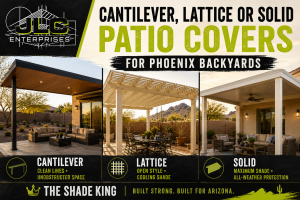
From creating a privacy screen to adding some much-needed shade, these are 10 of the best lattice patio cover ideas for homeowners.

What Are Lattice Patio Covers?

Lattice patio covers are a practical and affordable solution for adding shade, partial privacy, and ventilation to your outdoor space. They’re perfect for budget-conscious homeowners who prioritize light and air circulation over complete protection from the elements.

However, consider the limitations regarding weather protection, privacy, and insulation before making your decision.

Ultimately, the best choice for your patio cover depends on your individual needs, preferences, and budget. Weigh the pros and cons of lattice against other options like solid roofs or pergolas to find the perfect solution for enhancing your outdoor enjoyment.

Best Lattice Patio Cover Ideas

Below is a list of the 10 best lattice patio cover tips, ideal for homeowners in the valley of the sun.

1. Privacy Screen

Block out any unwanted views by creating a privacy screen in your outdoor living space. The wood lattice panels can be used to create this screen around your deck or patio.

2. Put A Roof On Your Patio

Adding a solid roof onto your patio provides both shade and protection from the elements. Some curtains or drapes can also be added for extra protection during the harsh Arizona summers.

3. Create A Skirting

If you have a porch or deck, you can use lattice to essentially create skirting. This helps to keep out any unwanted critters or pests, at all times.

4. Build A Gazebo Or Pergola

A pergola, specifically, is a terrific way to add more shade to your backyard. Wood lattice panels can be utilized to create the pergola, resulting in some much-desired privacy.

5. Add Fencing

One great way to add some more privacy and security to your outdoor area is to add a wood lattice fence. You can use the panels to create either a modern vertical slat fence or a more traditional picket fence.

6. Create An Outdoor Room

You can extend your living space by creating an outdoor room. The wood lattice panels can be used to create walls and a ceiling for this new, DIY room. Next, furniture and decor can be added to make it feel as though this room is simply an extension of your home.

7. Compliment The Home’s Style

The style of your lattice patio cover should always match your home’s look and feel. For a more modern appeal, opt for geometric or linear designs.

8. Increase Airflow

The spacing of the lattice will always impact how much sunlight and air makes its way through to your patio. Tighter lattice patterns, for example, offer more shade and privacy overall.

9. Add Decorative Elements

These patio covers offer a lot of opportunity for decorative touches. Hanging plants or lights can create a cozy atmosphere.

10. Create Awnings

If your deck or patio is unable to hide from the Arizona sunlight, you may want to use the panels to create an awning. This covering can provide some much-needed shade during the extreme summer conditions.

JLC Offers Patio Cover Installation In Phoenix, Arizona

If your thinking about installing a patio cover in Arizona, let JLC assist! JLC offers installation of wood, alumawood, aluminum and lattice patio covers and pergolas for homeowners in Phoenix, Gilbert, Glendale, Mesa and other areas in Arizona.
 

Cost of Patio Covers in Arizona 2026
Written by Craig B

Cost Of Patio Covers 2025

The cost of installing a patio cover in 2025 varies based on factors such as size, materials, design complexity, and labor. Here’s a detailed breakdown to help you estimate potential expenses:

Average Installation Costs:

  • National Average: The average cost to install a patio or deck roof is approximately $21,000, with most homeowners spending between $14,000 and $31,000.

Cost by Material:

  • Alumawood Patio Covers:
    • Lattice Roof Structures: Cost between $18 and $22 per square foot installed.
    • Solid Roof Structures: Range from $20 to $55 per square foot installed.
  • Vinyl Patio Covers:
    • Lattice Covers: A 10×10-foot vinyl lattice patio cover professionally installed ranges from $3,080 to $6,090.
    • Solid Roofed Covers: A basic, fully-covered 10×10-foot vinyl patio cover installed costs between $5,355 and $8,785.
  • Wood Patio Covers:
    • Lattice Covers: A 10×10-foot wooden lattice patio cover professionally installed ranges from $5,507 to $8,878.
    • Solid Roofed Covers: A full-roofed, painted 10×10-foot wood patio cover ranges from $10,500 to $13,000.

Labor Costs:

  • Labor and installation costs can range from $25 to $40 per square foot, depending on the complexity of the project and regional labor rates.

Additional Considerations:

  • Design Complexity: Custom designs or intricate architectural features can increase the overall cost.
  • Permits: Depending on local regulations, permits may be required, adding to the total expense.
  • Accessories: Incorporating elements like lighting, ceiling fans, or heating can further elevate costs.

Recommendations:

  • Obtain Multiple Quotes: To ensure competitive pricing, it’s advisable to get estimates from several local contractors.
  • Assess Material Options: Consider the pros and cons of each material type in terms of durability, maintenance, and aesthetics to determine the best fit for your needs.

By evaluating these factors, you can make an informed decision that aligns with your budget and enhances your outdoor living space.

How Much Does a 20x20 Patio Cover Cost in Phoenix, Arizona
Written by Craig B

How Much Does a 20×20 Patio Cover Cost in Phoenix, Arizona

The cost of installing a 20×20 patio cover in Phoenix, Arizona, varies based on materials, design complexity, and additional features. Here’s a breakdown to help you estimate your budget:

🧾 Estimated Costs for a 20×20 Patio Cover in Phoenix

Material Average Total Cost Cost per Square Foot Notes
Aluminum $6,500 $16.25 Durable, low-maintenance, and resistant to Phoenix’s climate.
Alumawood $3,700 – $5,000 $9.25 – $12.50 Offers the look of wood with the durability of aluminum.
Vinyl $10,000 – $32,000 $25 – $80 Low maintenance but may require UV-resistant materials for longevity.
Wood $5,000 – $10,000 $12.50 – $25 Natural appearance; may need regular maintenance to prevent wear.
Steel $3,000 – $6,000 $7.50 – $15 Strong and durable, suitable for modern designs.

🛠️ Additional Considerations

  • Design Complexity: Custom features like integrated lighting, ceiling fans, or skylights can increase costs.

  • Permits: Depending on local regulations, permits may be required, adding to the overall expense.

  • Labor: Professional installation ensures safety and quality but contributes to the total cost.

How Safe Are Patio Covers In Phoenix, Arizona

Patio covers in Phoenix, Arizona are generally safe when properly designed, constructed, and maintained, but there are important factors to consider given the local climate and conditions:

🔒 Safety Factors for Patio Covers in Phoenix

1. Material Durability

  • Materials like aluminum, steel, and treated wood are popular because they withstand extreme heat, sun exposure, and occasional storms.

  • Poor-quality materials or untreated wood can warp, crack, or weaken over time, reducing safety.

2. Wind and Storm Resistance

  • Phoenix occasionally experiences strong winds and monsoon storms.

  • Patio covers must be anchored securely to resist wind uplift.

  • Building codes require certain wind load ratings; compliant structures are safer.

3. UV and Heat Protection

  • Covers provide shade that reduces heat exposure, lowering risk of heat-related issues.

  • Proper design can prevent heat buildup under the cover, which can otherwise cause material degradation.

4. Structural Integrity

  • Ensure that the patio cover is professionally installed with quality fasteners and supports.

  • Regular inspections for rot, rust, or loosening parts help maintain safety.

5. Building Codes & Permits

  • Phoenix has strict building codes addressing patio covers to ensure safe construction standards.

  • Permits and inspections are often required before and after installation.

🛠️ Tips to Keep Your Patio Cover Safe

  • Hire a licensed contractor experienced with Phoenix’s climate.

  • Choose materials rated for high heat and UV resistance.

  • Inspect and maintain your patio cover yearly.

  • Avoid DIY installations unless you are confident in structural safety.

Conclusion

If you are interested in patio cover installation, contact the patio cover experts of Phoenix, Arizona at JLC Enterprises today!

JLC Offers Patio Cover Installation In Phoenix, Arizona

If your thinking about installing a patio cover in Arizona, let JLC assist! JLC offers installation of wood, alumawood, aluminum and lattice patio covers and pergolas for homeowners in Phoenix, Gilbert, Glendale, Mesa and other areas in Arizona.
[/vc_column_text][/vc_column][/vc_row]

The Difference between Patio Covers and Pergolas
Written by Craig B

The Difference between Patio Covers and Pergolas

Patio covers and pergolas are both popular outdoor structures that provide shade and enhance the functionality of outdoor spaces. However, they differ in design, purpose, and construction. Here’s a detailed comparison:


Patio Covers

Definition:
A patio cover is a solid roof-like structure attached to the house or freestanding, providing complete shade and protection from the elements.

Key Features:

  1. Roof Type:
    • Solid, often made of materials like wood, aluminum, polycarbonate, or shingles.
    • Offers full protection from sun, rain, and snow.
  2. Purpose:
    • Designed to create a fully covered outdoor area, ideal for dining, lounging, or entertaining in all weather conditions.
  3. Attachment:
    • Often attached to the home, extending from the roofline or exterior wall.
  4. Durability:
    • Built to withstand various weather conditions, providing year-round usability.
  5. Customizations:
    • Can include lighting, ceiling fans, heating elements, and even enclosed walls for added comfort.

Common Uses:

  • Outdoor kitchens, seating areas, or spaces requiring complete weather protection.

Pergolas

Definition:
A pergola is an open structure with a lattice or slatted roof, designed to provide partial shade and a decorative aesthetic.

Key Features:

  1. Roof Type:
    • Open with slats, beams, or latticework.
    • Allows sunlight to filter through while offering partial shade.
  2. Purpose:
    • Primarily aesthetic, adding architectural interest to an outdoor space.
    • Offers a light, airy feel and a connection to the natural environment.
  3. Attachment:
    • Can be freestanding or attached to the house.
  4. Durability:
    • Less robust than a patio cover; designed mainly for fair-weather use.
  5. Customizations:
    • Can include climbing plants like vines for additional shade, curtains, or retractable covers for enhanced protection.

Common Uses:

  • Garden pathways, outdoor seating areas, or decorative backyard features.

Key Differences

Aspect Patio Covers Pergolas
Shade Coverage Complete protection Partial shade
Weather Protection Full coverage from rain/snow Limited, depending on the design
Design Solid, functional Open, decorative
Usability Year-round Seasonal or fair weather
Construction Heavier, more permanent structure Lighter, more flexible design
Cost Generally more expensive Typically more affordable

Which to Choose?

  • Patio Cover: Best for practical needs where full weather protection is a priority. Ideal for homeowners seeking a highly functional outdoor living space.
  • Pergola: Perfect for enhancing aesthetic appeal or creating a cozy, partially shaded retreat. Suitable for those who enjoy the natural look of sunlight and shade interplay.

By assessing your needs, budget, and desired aesthetic, you can determine which structure best suits your outdoor space.

JLC Enterprises Offers Patio Covers In Phoenix, Arizona

If you are looking for Patio Cover installation services in Arizona, look no further than JLC Enterprises Inc. JLC offers Patio Cover Installations to the entire Phoenix, Arizona Valley, including, Phoenix, Gilbert, Glendale and more.[/vc_column_text][/vc_column][/vc_row]

1 2 3